
“Cleaning franchise” describes two businesses that barely resemble each other. One sells you a protected territory and expects you to build a client book. The other sells you accounts the franchisor already secured — and in some systems, resells those accounts if you lose them. Which one you’re looking at matters more than any investment range or unit count. One makes you the owner of a market; the other leaves you running someone else’s contracts under the franchisor’s terms.
Choosing the best cleaning franchise for your circumstances comes down to a short list of structural questions: how territory is defined, how royalties are calculated, what you must buy and from whom, and how deep the training runs. None of those answers live in the sales conversation. They live in the Franchise Disclosure Document, across its 23 required items — litigation history, fees, initial investment, restrictions on sourcing, training, and territory among them.
Start With the Model, Not the Price:
Residential cleaning franchises sell recurring home service: smaller accounts, higher churn, and marketing that falls to you. The trade is controlled, since you set pricing and own the customer relationship. Commercial and janitorial systems sell contracts to offices, medical facilities, and industrial sites.
Accounts run larger and terms longer. In many of these systems, though, the franchisor sources the accounts — which changes the nature of what you’ve purchased. That arrangement has generated years of litigation over how much control franchisors hold. Franchisees in several janitorial systems have argued they functioned as employees rather than owners; some cases settled, and franchisors have prevailed in others, notably under California law. Whatever the legal outcome, the dispute points to the right diligence question: if the franchisor finds, assigns, and can reassign your accounts, what did you buy?
The Contract Terms That Change Your Economics:
Three are quick checks:
- Territory (Item 12). Is your area genuinely exclusive? Can the franchisor open nearby, or sell into your market through other channels? Vague territory language is among the most consequential omissions in a cleaning business franchise agreement.
- Required purchases (Item 8). Proprietary chemicals and equipment available only through the franchisor or a designated supplier become a recurring cost you can’t shop around. Price it before signing, not after.
- Training (Item 11). A week of orientation and sustained operational support both get called training. Ask what support looks like in month six.
The royalty detail that catches new owners
Item 6 covers more than the headline percentage, and two details inside it shape your first year.
The first is basis. A royalty on gross billings means you owe the franchisor when you invoice, not when you collect — and commercial cleaning clients are rarely fast payers. On thin early margins, that gap decides whether a month is tight or underwater. The second is minimums. Some systems charge a minimum royalty whether you bill anything or not, which functions as a fixed cost during precisely the months a new owner can least absorb one. Stack technology and marketing contributions on top, and the headline percentage stops describing what you actually pay.
Item 20 Tells You Who Left, and How to Reach Them:
Item 20 lists every franchisee who exited the system in the past year, with contact information. It’s the most useful section in the document and the one most candidates skip. Healthy systems generally show single-digit annual turnover. When more than 10 to 15% of franchisees leave in a year through termination, non-renewal, or transfer, that deserves an explanation.
Transfers matter especially in this category, and they connect to something you’ll notice while shopping.
Browsing cleaning franchises for sale turns up no shortage of resale listings. Resales aren’t inherently a warning — owners retire, relocate, and cash out for ordinary reasons. But in account-based systems, a listing may represent accounts recovered from an owner who failed rather than a business someone built.
Ask which you’re being offered, and what happened to the last person who held it. Then call the people who left. Their numbers are printed in the document, they have no reason to soften anything, and almost nobody dials them. Cross-check Item 3 for repeated disputes on the same theme, and Item 21 for a franchisor leaning on fee income rather than operations.
The Case for a Second Revenue Stream:
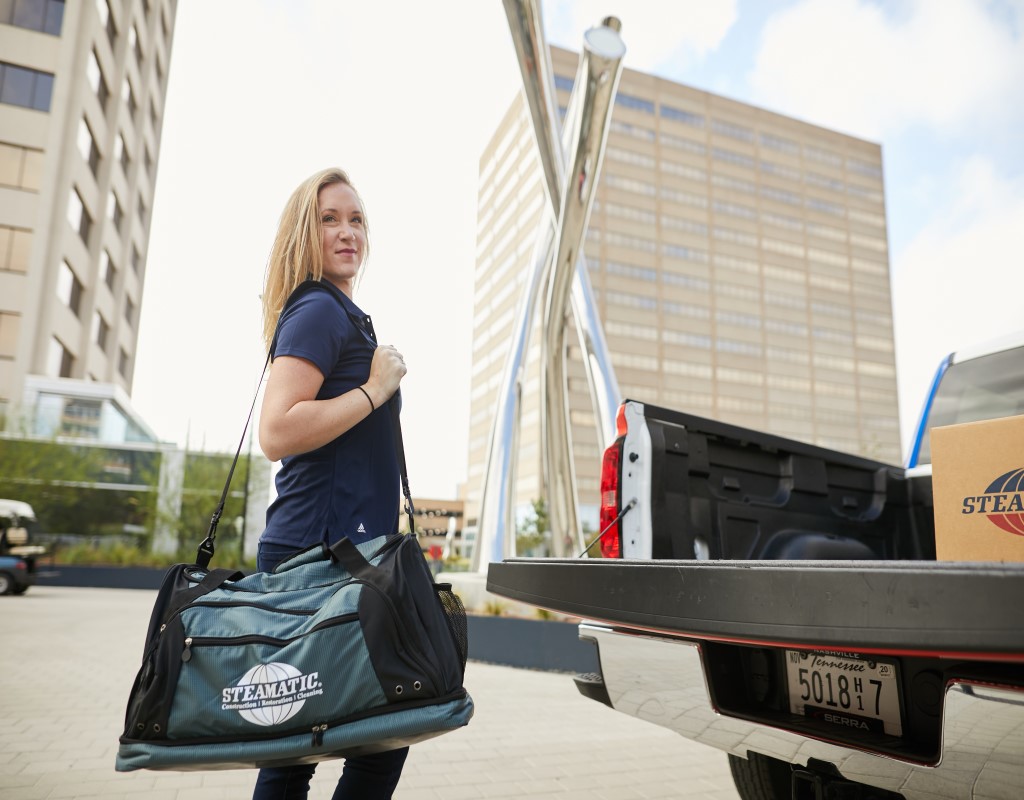
Single-service cleaning brands run on one engine. When commercial budgets tighten, clients cut frequency before they cancel, and margins compress with them. Pairing cleaning with restoration changes that risk profile, because the two streams answer to unrelated triggers. Recurring contracts supply the predictable floor. Water, fire, and mold losses arrive on their own schedule, are often insurance-funded, and don’t wait for anyone’s budget cycle.
Steamatic’s commercial cleaning services sit alongside emergency restoration across the Steamatic network, and its franchise ownership information sets out territory and training specifics. Run it through the same item-by-item scrutiny you’d apply to anything else on your list.
FAQs:
Q1. Should I buy a residential or commercial cleaning franchise?
Residential suits owners are comfortable with marketing and account churn. Commercial suits those who prefer fewer, larger contracts — but confirm who controls the accounts.
Q2. What’s the realistic investment range?
Wider than almost any other category, and for a structural reason: account-based janitorial units are marketed as low-cost entry, while territory-based systems cost considerably more. Item 7 gives the brand’s real figure — compare it against what you’re actually acquiring.
Q3. Are franchisor-supplied accounts a good deal?
Sometimes. Ask how accounts are valued, what happens when one cancels, whether replacements are guaranteed in writing, and what that guarantee actually obligates.
Q4. Is buying an existing location safer than opening a new?
Often, since you inherit revenue. Verify why the seller is leaving and review the same Item 20 data before you buy a cleaning franchise through resale.
Final Thoughts:
The best cleaning franchise isn’t the cheapest entry or the largest unit count. It’s the one whose disclosure document holds up under careful reading — territory language that’s actually exclusive, a royalty basis that won’t strangle cash flow, purchase requirements you’ve priced, and turnover figures that don’t raise questions. Start at Item 20, call three people who left, and price the required purchases before the brand starts feeling like a decision you’ve already made.