Most people come to restoration from the field. They’ve run water-damage jobs for someone else, watched the owner bill the work, and done the math on doing it themselves. The trade is learnable and the demand is real. What surprises people is that the technician skills are the part that transfers — and almost nothing else does.
Learning how to start a restoration business means solving four things at once: the equipment, the certifications, the insurance-carrier relationships that actually feed you work, and the crew you’ll need before there’s revenue to pay them. Three of those four have nothing to do with drying a building.
This piece walks through the realities, then weighs the two paths — building your own shop or buying into a system. There’s a real decision here, but it doesn’t turn on cost or preference. It turns on a single question about what you already have, and everything else follows from the answer.
What It Takes to Start a Restoration Business:
The equipment is the easy part
Restoration is capital-equipment work: truck-mounted or portable extraction units, commercial air movers, dehumidifiers, air scrubbers, and moisture meters. New owners plan for this well, because it’s the visible cost and it comes with a price tag.
The certification behind it carries more weight than the gear. The industry standard is IICRC — the Water Damage Restoration Technician course, built on the S500 standard, carries an $80 exam fee and no prerequisites, and it’s the prerequisite for advanced designations like Applied Structural Drying and Applied Microbial Remediation. Adjusters treat it as table stakes; without it, files are harder to win and easier to dispute.
The relationships are the hard part
Your revenue depends on other people deciding to send you work. Adjusters, property managers, and plumbers refer to the jobs, and those relationships take months to earn and one sloppy file to lose. This is the single most underestimated part of the business, and no amount of equipment substitutes for it.
Hiring compounds it. You need certified or trainable technicians willing to answer 2 a.m. calls, in a labor market where that reliability is scarce — and payroll starts before the referral network matures. That gap between first hire and steady revenue is where most first years are won or lost.
Franchise vs. Going It Alone:
Naming those frictions answers the franchise vs starting your own business question for you. It isn’t cheaper. It’s whether you already hold the one asset that takes the longest to build: carrier relationships. Have them, and independence makes sense. Lack them, and you’re paying to build them one way or another.
The independent path
Your own brand means full control and no royalty. You set pricing, keep the margin, and answer to nobody. In return, you build everything from zero: a name no adjuster recognizes, the carrier relationships, the training program, the documentation systems, and the buying power a single small account doesn’t have.
Independents who make it almost always arrive with one of two things — an existing book of industry relationships, or enough capital to survive the long ramp while they build one. Bring neither and the climb is brutal.
The franchise path
A franchise resolves several of those frictions on day one. You pay for it. Restoration royalties commonly run 3% to 10% of gross sales, often with an additional marketing contribution near 3%. Set that against what an independent spends over the same years building brand recognition and a referral network from scratch, and the cost doesn’t so much disappear as change form. Restoration franchise cost itself varies by territory and equipment, and the honest figure lives in Item 7 of the Franchise Disclosure Document.
What the fee buys is a shorter ramp:
- A brand adjusters and property managers already recognize
- Established carrier relationships and, often, national-account referral flow
- Franchise training and support covering certification and documented job protocols
- Equipment sourcing and collective purchasing power
- Estimating, documentation, and dispatch systems
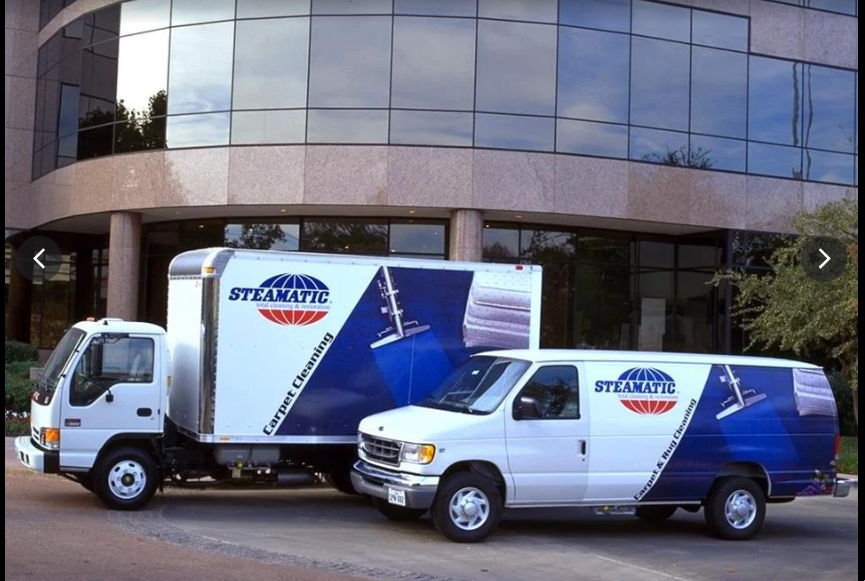
Steamatic shows what the mature version looks like. Operating since 1968, its restoration and cleaning services cover water, fire, mold, and contents recovery, and the combined model pairs emergency work with recurring cleaning revenue. Territory specifics sit in its franchise ownership program, and the wider Steamatic network shows the footprint an independent would be competing against.
FAQs:
Q1. Do I need IICRC certification to start?
Not legally in most states, but practically yes. Adjusters expect it, and WRT is the standard entry point.
Q2. How long until the business is stable?
Budget 12–24 months to build carrier relationships either way.
Q3. How much money do I need up front?
Enough for equipment, certification, and several months of payroll before referral revenue stabilizes. Underfunding working capital is the common misstep.
Q4. What is the main difference between a franchise and starting independently?
A franchise provides an established brand, training, operating systems, and ongoing support. An independent business offers more control, but everything must be built from the ground up.
Final Thoughts:
The right answer to how to start a restoration business comes down to that one honest question: do you already have carrier relationships? If you do, independence keeps every dollar and every decision yours, and you can afford the slower build.
If you’re entering cold, a proven system charges a royalty to hand you the referral pipeline that would otherwise take years — and for most first-timers, that’s the shortcut worth paying for. Whichever you choose, respect the working-capital math and the relationship timeline. Those decide who’s still operating in year three.