
Introduction:
It usually starts small — a faint stain on the ceiling, a musty smell near the baseboards, or a tiny drip under the sink you plan to fix later. Then one busy week turns into one expensive weekend. Residential water damage is sneaky because it spreads behind walls, under floors, and into insulation long before it looks serious.
This guide covers the most common causes of home water damage, a practical year-round prevention plan, and exactly when to call a certified water damage restoration service or water damage restoration company for professional water mitigation and water damage repair before hidden moisture becomes a structural problem.
Why Water Damage Is So Common — The Costs Every Homeowner Must Know:
Water claims are not rare “one-off” events. Insurance industry data shows water damage and freezing claims happen at a notable clip, roughly 1.50 claims per 100 insured homes per year (2019–2023 weighted average), and the average severity for those claims is about $15,400.
Even when the source is minor, water can
soak drywall and insulation quickly,
warp wood and flooring,
create conditions for mold growth,
damage wiring and appliances.
That’s why the goal is not just “avoid floods.” It’s to catch moisture early and reduce the chances of hidden spread.
Top Causes of Residential Water Damage and How to Spot Each One:
Slow Hidden Leaks — The Most Common Cause of Water Damage
Small leaks are common and often invisible until they’ve been wasting water and saturating materials for weeks. The EPA notes that the average household’s leaks can waste nearly 10,000 gallons of water each year, and 10% of homes have leaks that waste 90 gallons or more per day.
Watch for peeling paint, soft drywall, a persistent musty odor, unexplained spikes in the water bill, or warm spots on floors (hot-water line leaks).
Appliance and Supply-Line Failures — High-Volume, Fast-Damage Events
Dishwashers, refrigerators with ice makers, water heaters, and washing machines all rely on pressurized hoses and fittings. When those fail, the result is often fast, high-volume water release. Insurance data also reflects how frequently this category shows up in real life: “water damage and freezing” is one of the most common non-wind homeowners’ loss categories.
High-risk zones: behind the fridge, under the dishwasher, behind the washer, and around the water heater pan.
Clogged Gutters and Roof Runoff — How Exterior Drainage Causes Interior Damage
When gutters clog, water can back up under shingles or spill near the foundation. Over time, that can mean attic moisture, fascia rot, and basement seepage.
Watch for overflowing gutters during rain, water stains on soffits, mossy roof edges, damp basement corners after storms.
Basement and Crawlspace Moisture — The Repeat-Offender Water Source
Below-grade spaces are vulnerable because water naturally moves toward the lowest point. Add heavy rain, poor grading, or a tired sump pump, and you have a repeat-offender situation.
Watch for white chalky residue on basement walls, damp carpet edges, rust on stored items, condensation on pipes, or a sump pump that runs constantly.
Frozen Pipes and Winter Bursts — Why Damage Appears After the Cold Snap Ends
Frozen pipes burst because expanding ice builds pressure. The break often appears when temperatures rise and water starts flowing again, which is why some homeowners discover the damage after a cold snap has passed.
Higher-risk areas: exterior walls, unheated garages, crawlspaces, and under kitchen sinks on outside walls.
Heavy Rain and Surface Flooding — Why You Don’t Need to Be in a Flood Zone
Even if you’re not in a classic flood zone, today’s heavier rain events can overwhelm yards, storm drains, and older drainage systems. The EPA notes heavy precipitation events have been happening more often across the contiguous U.S. since the 1950s, especially in the Northeast and Midwest, increasing runoff and flood risk.
Watch for pooling water near the foundation, water entering at basement windows, or downspouts dumping too close to the home.
How to Find a Water Leak in Your House Before It Becomes a Major Problem:
The most damaging water events in homes are not burst pipes—they are the slow leaks that go undetected for weeks or months. Knowing how to actively hunt for hidden leaks before they reveal themselves through ceiling stains or warped flooring can save thousands of dollars in water damage repair costs.
The water meter test — your most reliable leak detector: Turn off every water source in your home—faucets, appliances, and irrigation. Record your water meter reading. Wait exactly two hours without using any water. Check the meter again. If the number has moved, you have a leak somewhere in the system. This test costs nothing and takes two minutes of active effort — it is the EPA’s recommended first step for leak detection.
Room-by-room signs to look for monthly:
- Under every sink: Open cabinet doors and inspect for moisture, swelling, discoloration, or rust on drain pipes and supply lines
- Behind and under appliances: Pull the refrigerator out quarterly to check the ice maker line; inspect the washing machine hose connections for bulging, cracking, or rust
- Bathroom floors and walls: Soft spots in floor tile near the toilet base, discoloration in grout, or peeling paint near the shower surround all indicate water penetrating behind surfaces
- Ceilings below bathrooms: Faint yellow or brown rings—even small ones—signal active or recent leaks from above
- Water bill monitoring: An unexplained spike of 20% or more in your monthly water bill with no change in usage pattern is a strong leak signal—investigate before the bill spikes again
When to call a professional leak detection service: If the meter test confirms a leak but room-by-room inspection does not reveal the source, the leak is likely inside a wall cavity, under the slab, or in an underground supply line. A professional water damage restoration contractor uses thermal imaging cameras and calibrated moisture meters to locate these hidden leaks noninvasively—preventing the destructive trial-and-error investigation that can cause more damage than the leak itself.
Year-Round Water Damage Prevention Plan — Seasonal Checklist for Homeowners:
Monthly Water Damage Cleanup Prevention — Your 10-Minute Home Check
Pick a recurring date (first weekend of the month works) and do this quick loop:
Look under every sink for dampness or cabinet swelling.
Check the washing machine area for rust, drips, or bulging hoses.
Scan ceilings under bathrooms for faint yellow or brown staining.
Confirm the water heater pan is dry (and not corroded).
Walk the basement perimeter and sniff for musty areas.
If you want a simple leak-hunting routine, the EPA also recommends checking your water meter before and after a two-hour period with no water use to confirm if a leak exists.
Seasonal priorities (simple and specific)
Spring:
Clean gutters and confirm downspouts push water away from the foundation.
Check sump pump operation before storm season ramps up.
Walk the yard after a heavy rain and note where water collects.
Summer:
Watch for HVAC condensation line clogs and water around the air handler.
Inspect sprinkler overspray hitting siding or pooling near the slab.
Keep indoor humidity controlled, especially in basements and crawlspaces.
Fall:
Clean gutters again after leaves drop.
Seal obvious foundation cracks and window well gaps.
Test the sump pump and consider a battery backup if outages are common.
Winter:
Insulate exposed pipes and keep garage and utility areas above freezing.
On very cold nights, open under-sink cabinets on exterior walls to let warm air circulate.
Know where your main shutoff valve is, and make sure it turns easily.
When Prevention Isn’t Enough — Water Mitigation and Water Damage Restoration Steps:
If you find active water intrusion:
Shut off the water (or power, if the source is electrical or appliance-related).
Take photos quickly for documentation.
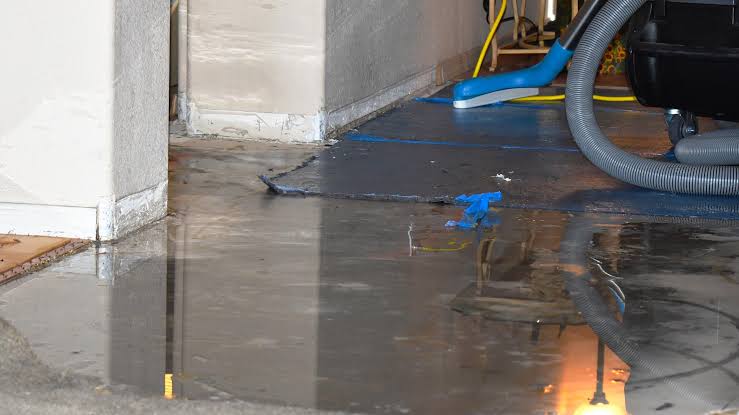
Start drying immediately (fans, dehumidifier, remove soaked rugs).
If water has entered walls, insulation, or subflooring, call a qualified water damage restoration contractor to assess hidden moisture and prevent secondary damage.
At that stage, what you want is not just cleanup. You want proper drying, moisture mapping, and controlled removal when needed. That’s where a reputable water damage restoration company or water remediation company becomes essential.
FAQs: Residential Water Damage Prevention:
Q1) What’s the most common “quiet” cause of water damage at home?
Slow leaks under sinks, behind toilets, or from aging supply lines. They can drip for weeks, soaking cabinets and drywall before you notice staining or odor.
Q2) Do frozen pipes always burst, and how do you prevent them from bursting in winter?
Not always—but the risk is real, and the consequences can be severe when they do. Pipes freeze when temperatures drop significantly, especially in exposed areas like exterior walls, unheated garages, crawlspaces, and under kitchen sinks on outside walls. The burst doesn’t happen during the freeze itself—it happens when ice blocks pressure and forces a rupture, often appearing only after temperatures rise and water starts flowing again. This is why some homeowners discover significant water damage hours or even days after the coldest point of a cold snap has passed. Prevention is straightforward: insulate pipes in high-risk areas before winter, keep garage doors closed when temperatures drop, and on very cold nights open under-sink cabinet doors on exterior walls to let warm indoor air circulate around the pipes. Keep your home’s temperature above 55°F even when traveling. Most importantly, know exactly where your main water shutoff valve is and confirm it turns easily—because the first 60 seconds after a pipe bursts can make a significant difference in how much water enters your home and how far it spreads.
Q3) What should I look for when choosing a water damage restoration company?
When choosing a water damage restoration company, look for proper licensing, insurance, and certifications (like IICRC, Steamatic), along with strong reviews and proven experience. Also ensure they offer 24/7 emergency response, full restoration services, and clear pricing with written estimates. A reliable company should respond quickly, use advanced equipment, and help with insurance claims to make the process smoother and more effective.
Q4) What’s one low-effort habit that prevents big problems?
A monthly “water check” plus watching your water bill for unexpected jumps. The EPA notes household leaks can waste nearly 10,000 gallons a year, so small leaks are worth catching early.
Service Areas:
Steamatic’s IICRC-certified water damage restoration teams provide 24/7 emergency water mitigation, professional water damage cleanup, and complete water damage repair services across the United States — including Texas, Florida, Tennessee, Indiana, Kansas, New Mexico, Wisconsin, Colorado, California, and beyond. Whether you are dealing with a slow leak discovered on a Sunday morning or a burst pipe in January, your nearest water damage restoration company is available around the clock for emergency response, moisture mapping, structural drying, and full restoration.”
Final Thoughts:
Most water damage is preventable when you know where homes fail: hoses, hidden drips, clogged drainage, basement seepage, and winter freezes. A simple routine, plus quick action when something feels “off,” can save real money and stress. And if water spreads beyond what you can fully dry, bringing in a water damage restoration service early can make the difference between a manageable repair and a long, expensive recovery.
Water damage discovered in your home? Act in the first hour — mold starts within 24 hours and every delay expands the restoration scope. Steamatic responds 24/7. Call at (817)332-1575 -STEAMATIC now Request Emergency Water Damage Restoration →