A house fire is loud, fast, and obvious. The damage afterward is quieter and easier to underestimate. Water from suppression soaks framing and insulation. Smoke travels through wall cavities and HVAC pathways. Soot settles into soft goods and keeps releasing odor. And if the roof or windows are compromised, the very next rainstorm can turn “fire damage” into a much bigger loss.
That’s why a professional fire restoration service is usually less about one big cleanup and more about a sequence: stabilize the structure, stop secondary damage, clean and remediate smoke residues, then repair what’s been weakened or removed.
Step 1: Safety and “Is It Even Safe to Re-Enter?”
Before any restoration work begins, the property has to be cleared for safe entry. The American Red Cross advises staying out until local fire authorities say it’s safe.
Once you’re allowed back in, the first steps are about hazards that don’t look dramatic but can hurt you or worsen the loss:
Electrical risks (damaged wiring, tripped breakers)
Plumbing risks (broken pipes, unsafe water lines)
Chemical and soot exposure (especially during cleanup)
Structural instability (weakened trusses, ceilings, roof decking)
A reputable fire remediation contractor will typically coordinate or recommend qualified trades (electrician, plumber, structural pro) so mitigation doesn’t create new risks.
Step 2: Stabilization to Prevent “Secondary Damage” (Board-Up, Roof Protection, Drying)
Fire rarely comes alone. Even a contained kitchen fire can leave behind water intrusion, open windows/doors, or roof vents that are no longer weather-tight. Stabilization is what prevents the next problem from becoming the biggest one.
This phase often includes:
Securing openings (temporary board-up or lock changes)
Temporary roof protection (tarping or patching if needed)
Water extraction and drying from suppression efforts
Dehumidification to reduce the chance of microbial growth in soaked materials
For storm-prone areas, roof protection matters more than people realize. If a roofline is weakened and the next heavy rain hits, water can run into attics, down wall cavities, and into basements. That turns a restoration project into a multi-system rebuild.
Step 3: Inspection, Scope, and Documentation That Actually Holds Up in a Claim
The cleanest claim files have three things: a clear scope, clear documentation, and a clean timeline.
Expect a good fire damage contractor to document:
What was damaged by heat/flame vs. smoke vs. water
What materials are salvageable vs. must be removed
Photos/video before anything is discarded
A contents inventory (especially for kitchens, closets, garages, and HVAC returns)
The Red Cross specifically recommends contacting your insurer quickly, creating a list of damaged/lost items, photographing/videotaping damage, keeping damaged items until the adjuster has visited, and saving receipts for extra expenses.
USFA/FEMA guidance also emphasizes contacting your insurance company right away and asking what to do first, including how cleaning/restoration of personal items will be handled.
Step 4: Smoke, Soot, and Odor Remediation (The Part You Still Smell Months Later)
Smoke and soot aren’t “just a smell.” They’re residues that can spread through airflow and re-deposit after you think the area is clean.
A quality smoke restoration service typically involves:
Removing loose soot with HEPA filtration (not dry sweeping)
Cleaning hard surfaces with methods matched to the residue type
Treating porous materials (or removing them when they can’t be restored)
Odor control that targets the source, not just masking
EPA guidance for ash cleanup emphasizes avoiding actions that kick particles into the air (like dry sweeping) and recommends wet methods and HEPA-type vacuums when vacuuming dusty surfaces.
This is also where standards matter. The ANSI/IICRC S700 standard describes principles and procedures for assessing fire residues and odors affecting the building, building systems (including HVAC), and contents.
Step 5: From Structural Repairs to Roof Replacement (What “Rebuild” Can Include)
After mitigation and cleaning, reconstruction is where homeowners often get surprised. Fire can compromise materials even when they look “mostly fine,” and some components need replacement to restore safety.
Depending on severity, repairs may include:
Roof decking, trusses, gutters, fascia, and attic ventilation
Framing reinforcement, drywall removal/replacement, insulation replacement
Cabinetry and flooring replacement where smoke or water penetrated
Electrical repairs (wiring, panels, fixtures) after inspection
HVAC cleaning and component replacement where contamination is confirmed
If you’re a landlord or short-term rental host, this phase is also about reducing downtime without cutting corners. A fast “cosmetic reset” that leaves residues behind can boomerang into complaints, odor returns, and repeat work.
Step 6: Insurance Claims, Estimates, and the Details That Move Things Forward
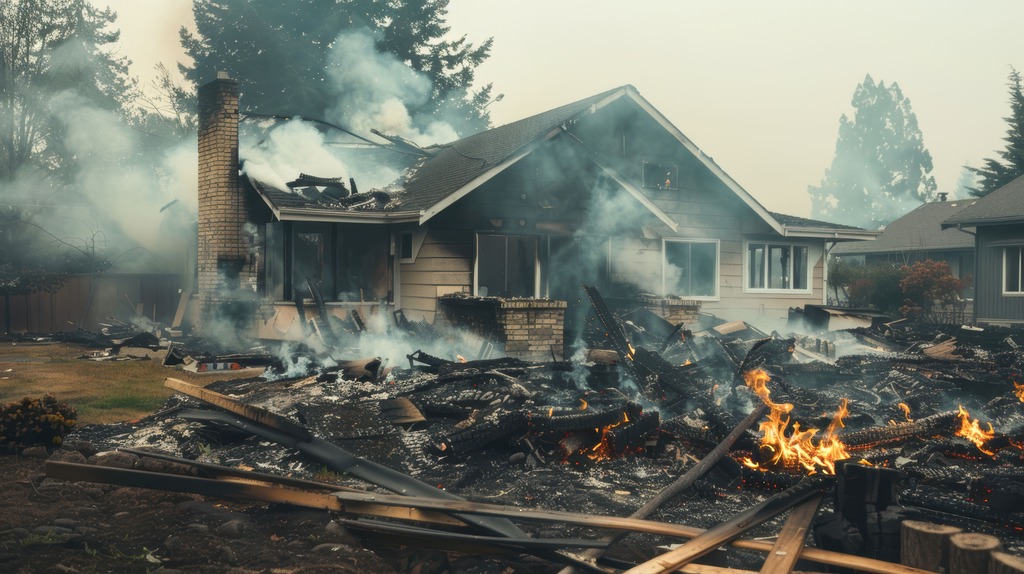
Fire claims are relatively rare but expensive when they happen. The Insurance Information Institute notes about one in 430 insured homes has a property damage claim related to fire and lightning.
To make the process smoother, most adjusters look for:
A clear scope of work (mitigation + cleaning + rebuild)
Proof of condition and contents (photos, receipts, inventories)
Temporary repairs documented (and pre-approved when required)
Separate tracking of Additional Living Expenses (ALE) receipts
FAQs:
Q1) How soon should restoration work start after a fire?
As soon as the property is cleared for safe entry. Early stabilization and drying help prevent secondary damage (like swelling materials, corrosion, and lingering odor) while you begin the insurance process.
Q2) What should you do immediately after a house fire?
Once fire authorities confirm it’s safe to re-enter, your first priorities are safety and documentation. Avoid touching electrical systems, check for structural instability, and do not discard any damaged items before your insurance adjuster visits. Contact your insurance provider as soon as possible, photograph and video every area of damage, and start tracking all extra expenses like temporary lodging. From there, call a certified fire restoration contractor to begin stabilization—boarding up openings, protecting the roof with tarps, and extracting water left behind by suppression efforts. Acting within the first 24–48 hours significantly reduces the risk of secondary damage like mold, corrosion, and persistent odor.
Q3) Can I get insurance help for water or fire damage restoration?
Yes, most insurance policies can help cover water or fire damage restoration, depending on the cause and your coverage. Standard homeowners insurance usually covers fire damage and sudden water damage (like burst pipes) and often includes cleanup and restoration costs. You’ll need to file a claim and have an adjuster assess the damage, and the insurer may pay for restoration directly or reimburse you—though floods or gradual damage may require separate coverage.
Q4) What should I avoid doing before the adjuster arrives?
Avoid discarding items you plan to claim, and don’t make major repairs without guidance. Build a photo/video record, keep damaged items when possible, and track receipts for lodging and supplies.
Final Thoughts:
A fire is a single event, but recovery is a process. The best outcomes usually come from a clear scope, careful documentation, and a qualified fire remediation contractor who treats smoke, water, and structural repairs as one connected problem, not separate chores.