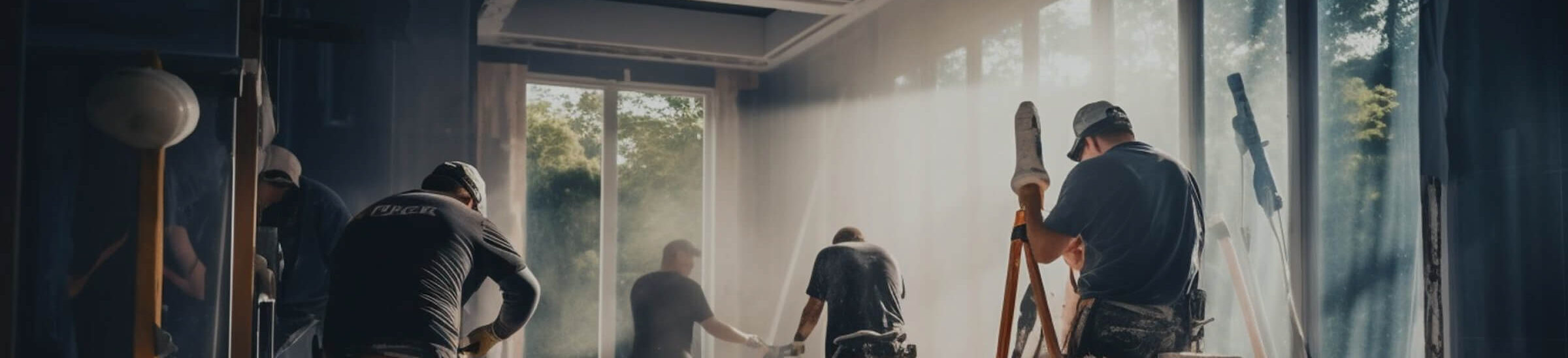
Most homeowners picture flood damage as visible—soaked carpets, waterlogged furniture, a ruined floor. That picture is accurate for about the first 15 minutes. After that, water moves somewhere you cannot see: into wall cavities, beneath subflooring, inside insulation batts, and along structural framing.
By the time a visible stain appears on a ceiling or a floor starts to buckle, the damage has been compounding for days. Professionals who handle this work walk into homes every week that look fine from the doorway and require gut renovation behind the walls.
Most of what determines the final bill is decided in the first 48 hours. Almost none of it has to do with how much water came in.
Awater damage remediation company sees the same costly mistakes repeat across every market. This post covers the ones that matter most.
The 24-Hour Window Is Not a Figure of Speech:
Speed of professional response is the variable most within a homeowner’s control—and most homeowners still underestimate how fast that window closes. The EPA confirms mold begins colonizing wet materials within 24 to 48 hours of water exposure. But the financial damage accumulates before the mold risk even appears.
Standard water damage restoration protocols require moisture readings at every affected surface, not just the room where water visibly pooled. Water migrates faster than most people expect.
A supply line failure in a second-floor bathroom reaches the subfloor, travels along floor joists, and begins saturating the ceiling below in under an hour. I have been on jobs where the homeowner called at 10 AM, and the moisture trail had already spread across 300 square feet of first-floor ceiling by noon—none of which the owner knew was affected until we ran the meters.
Calling a professional within the first two hours is not overcaution. It is the decision that most determines the total cost of the event.
Water Category Decides Whether You’re Getting a Cleanup or a Demolition:
Here is what restoration professionals know before they walk through the front door, and most homeowners do not find out until the scope sheet arrives: the type of water matters as much as the volume. The IICRC S500 standard classifies flood water into three categories, and that classification determines what work gets done, which materials survive, and what the job costs.
Category 1 is clean water—a burst supply line, an overflowing sink. Category 2 is gray water—dishwasher backflow, sump pump overflow, washing machine discharge. Category 3 is black water—sewage, rising stormwater, or any water sitting long enough to become biologically hazardous.
The cost gap between categories is not subtle. A Category 3 event in a finished basement does not get dried in place. Materials that absorbed black water—carpet, padding, drywall, and insulation—require removal under specific disposal protocols regardless of how intact they appear. Homeowners who try to dry Category 3 water with consumer fans and a rental dehumidifier are not saving money. They are creating a biohazard problem that typically costs three to four times more to address six weeks from now than handling it correctly on day one.
Professional water remediation services identify water categories within minutes of arrival. Knowing this before the crew shows up prevents the most common source of homeowner frustration: why demolition was necessary on a job that started as a wet floor.
Structural Drying Has a Scientific Endpoint—and Guessing Costs More Than the Drying Did:
Once standing water is gone, most homeowners believe the hard part is behind them. It has barely started.
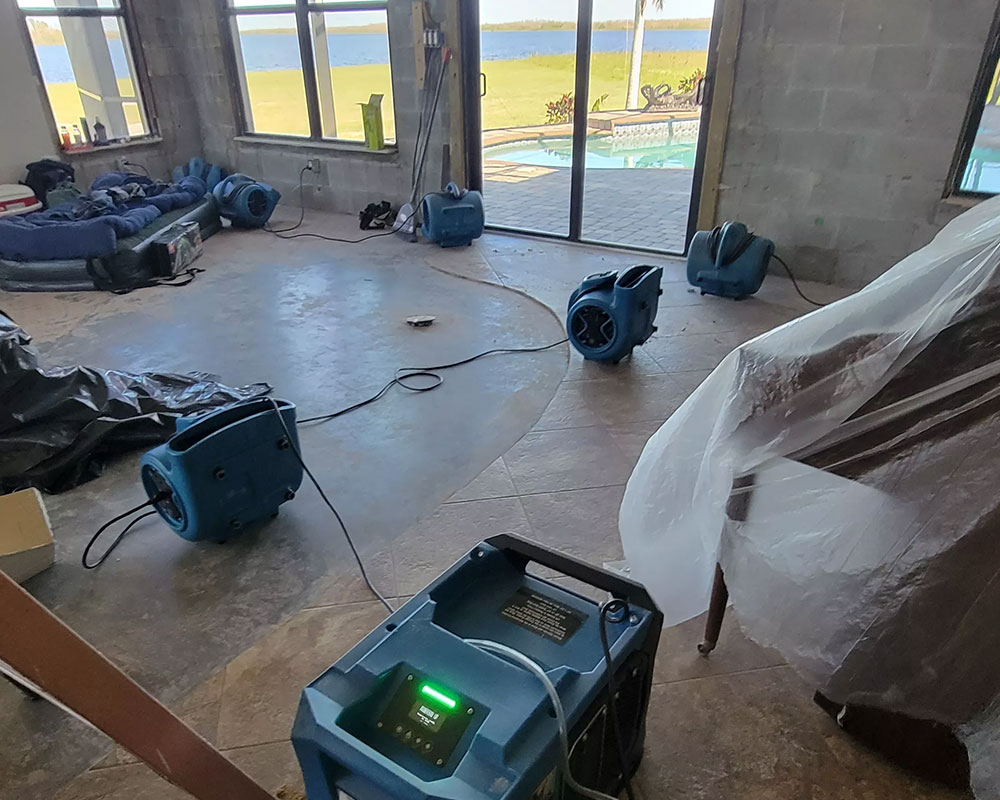
Structural drying means running commercial dehumidifiers and air movers continuously until calibrated moisture meters confirm every affected material has reached a documented safe threshold. Per IICRC S500 standards, wood framing must read below 15% moisture content before reconstruction can begin. A contractor who closes walls because the floor feels dry has sealed whatever moisture remains inside the structure. Six to eight weeks later, that moisture becomes mold—and the remediation bill typically exceeds the original restoration cost.
Water damage cleanup houston tx events carry an additional variable most national guides ignore: ambient humidity. Houston’s outdoor air routinely runs 80 to 90% relative humidity during summer months. Running air movers without properly sealed containment pulls that outdoor moisture directly into the drying environment, extending timelines or reversing overnight drying progress.
Experienced operators seal and condition the space from outside air. Inexperienced operators open windows to air it out—and property owners discover they owe three more days of equipment rental.
What Your Insurance Policy Actually Says vs. What You Think It Says:
Standard homeowners insurance covers sudden and accidental water damage from internal sources—burst pipes, appliance failures, and roof damage from a storm. It does not cover gradual leaks from deferred maintenance, flooding from external rising water, or damage from owner neglect.
The gap between what a claim covers and what a homeowner expects is almost always a documentation failure. A water damage remediation company experienced in insurance-driven work provides moisture logs, categorized scope of work, before-and-after photography, and daily progress records as standard practice. Without that documentation, the adjuster has full discretion—and adjusters routinely reduce undocumented claims by 30 to 50% of the original scope.
Choosing a water damage restoration franchise with established carrier relationships also shapes how quickly a claim resolves. Adjusters approve scopes from contractors they already trust. An unfamiliar operator without recognized documentation protocols creates delays measured in weeks—and the property continues accumulating damage throughout every one of them.
Frequently Asked Questions:
Q1: How can I find reliable water damage restoration services near me?
Finding reliable water damage restoration services starts with choosing a company that offers 24/7 emergency response, certified technicians, and proven experience handling water-related disasters. Look for businesses with strong customer reviews, transparent pricing, and advanced drying and moisture detection equipment.
A trusted water damage restoration company should provide a thorough assessment, clear communication, and assistance with insurance claims when needed. Acting quickly and hiring experienced professionals can help prevent mold growth, reduce repair costs, and restore your property safely and efficiently.
Q2: What should I do immediately after water damage occurs in my home?
If water damage occurs in your home, act quickly to minimize further damage. First, stop the source of the water if it is safe to do so and turn off electricity in affected areas. Remove valuable items, furniture, and excess water whenever possible.
Take photos for insurance documentation and contact a professional water damage restoration company immediately. Fast water extraction and drying can help prevent mold growth, structural damage, and costly repairs while restoring your home more efficiently.
Q3: How long does water damage restoration typically take?
Small clean-water events caught early: 5 to 10 days from extraction to completion. Moderate events with hidden wall moisture or multiple affected rooms: 2 to 4 weeks. Category 3 events or significant structural damage: 4 to 12 weeks depending on reconstruction scope. Every hour before professional extraction begins adds time to that total.
Final Thoughts:
Flood damage is not a cleanup problem—it is a time problem and a documentation problem. Understanding the water category, why structural drying cannot be declared finished by feel, and what your insurance policy actually requires puts you in a position to make the right calls quickly.
A qualified water remediation services provider walks you through every step—but the homeowners who arrive at that conversation already knowing these basics consistently get better outcomes and significantly lower total costs.