Commercial fires don’t just burn buildings. They threaten jobs, contracts, and community trust. Whether you run a restaurant, manage an office park, or oversee a warehouse, a single fire can shut your doors overnight.
That’s why commercial fire damage restoration is really about time. The longer smoke, soot, and water sit in your building, the higher the cost and the longer you stay closed. Studies from fire and safety organizations show that smoke particles can start etching metal and glass within hours, and businesses that stay closed more than 10 days after a disaster face a sharply higher risk of never reopening at all.
For local business owners, facility managers, or investors, understanding what “commercial fire damage” actually includes and why fast action matters is the first step toward protecting people, property, and revenue.
What Counts as “Commercial Fire Damage”?
More Than Burned Walls and Charred Equipment
Commercial fire damage is any physical, structural, or environmental damage caused by flames, heat, smoke, and firefighting efforts in a business property. It often includes:
Direct fire damage to structural elements, electrical systems, and equipment
Smoke and soot residues on walls, ceilings, HVAC systems, inventory, and furniture
Water damage from sprinklers or fire hoses soaking floors, drywall, and contents
Air quality issues from lingering odors and microscopic particles
For a restaurant, that might mean smoke-contaminated kitchen hoods, ruined food inventory, and a dining room that smells like burnt plastic.
For a warehouse, it might be scorched racking, soot-covered inventory, and moisture trapped in packaging that leads to mold.
This is why a specialized fire damage restoration service looks at the entire environment, not just the visibly burned areas.
Why Speed Is Critical in Commercial Fire Damage Restoration:
The First 24–72 Hours Set the Tone
The timeline after a fire is brutal:
Within hours, acidic soot can discolor plastics, countertops, and metals.
Within days, odors set deep into porous materials like upholstery and drywall.
Within a week, corrosion, staining, and microbial growth (from standing water) can turn salvageable materials into total loss.
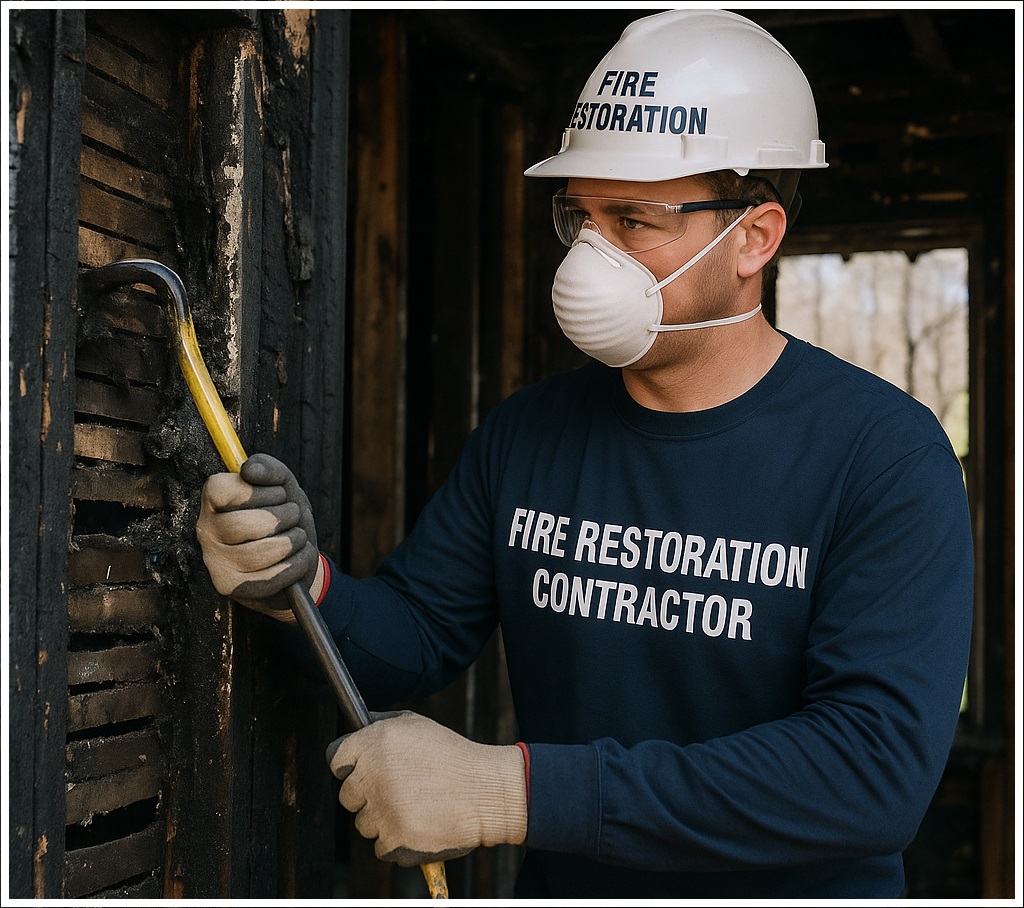
A qualified fire restoration contractor focuses heavily on those first 24–72 hours: securing the building, extracting water, stabilizing air quality, and preventing secondary damage. For businesses with tight margins and staff payroll, this early work is often the difference between a short interruption and a crisis that drags into months.
For example, a small Indianapolis salon that experiences a back-room electrical fire might be able to reopen in days if smoke is cleaned quickly and ventilation is handled properly. Wait a week, and those same smoke residues can force replacement of furniture, ceiling tiles, and inventory.
Key Steps in Professional Fire Damage Restoration:
1. Emergency Response and Safety Assessment
Reputable teams start with a safety-first walkthrough: checking structural stability, electrical hazards, and indoor air quality. Only then do they begin securing openings and preventing further weather or vandalism damage.
This is where businesses often lean on an experienced fire damage restoration partner to speak the same language as building inspectors, code officials, and insurers.
2. Water Removal and Drying
Most commercial fires involve significant water from sprinklers or hoses. If that water isn’t removed fast, you trade one disaster for another: mold, warped flooring, and damaged wiring. High-capacity dehumidifiers, air movers, and moisture meters help ensure hidden cavities (like wall and ceiling spaces) are properly dried.
3. Smoke, Soot, and Odor Removal
Smoke behaves differently in commercial spaces that have tall ceilings, complex HVAC systems, and specialty equipment. A skilled fire damage restoration service will:
Track how smoke traveled through vents and ductwork
Use HEPA filtration and negative air machines to capture fine particles
Apply targeted cleaning methods for different materials (e.g., metals vs. fabrics)
This level of precision matters for restaurants, private schools, daycares, and churches, where air quality is closely tied to health, comfort, and compliance.
4. Cleaning, Repairs, and Build-Back
Once the environment is stabilized, teams move into cleaning, deodorizing, and repairing structural components. In some cases, that means coordinating with specialized trades, like electrical or commercial kitchen contractors.
Companies that focus on full-service commercial fire damage restoration can often streamline this process, aligning cleanup, documentation, and reconstruction so you’re not managing three separate vendors. Trusted providers such as Steamatic have built their reputation by handling complex restoration projects for commercial and community properties.
How Fast Restoration Protects Different Types of Commercial Properties:
Local Businesses and Offices
Retail shops, salons, gyms, and offices depend on daily walk-in traffic and scheduled appointments. Every extra day closed means lost revenue and frustrated customers. Fast, coordinated fire damage restoration helps:
Reduce lost income and canceled bookings
Protect computers, records, and critical documents
Preserve your local reputation by reopening sooner
Restaurants and Food-Service Operators
For restaurants, bars, and cafes, fires often start in kitchens where grease, heat, and ventilation systems come together. A delay in getting a fire restoration contractor on site can lead to:
Extended health department closures
Cross-contamination of food storage areas
Ongoing odor problems that turn customers away
Rapid degreasing, hood and duct cleaning, and air quality control are essential so you can pass inspections and get back to serving guests.
Warehouses, Industrial Spaces, and Logistics Centers
In warehouses or light industrial spaces, inventory and equipment are the lifeblood of the operation. Fast commercial fire damage restoration limits:
Loss of high-value stock due to soot or moisture
Downtime on critical machinery and conveyor systems
Contract penalties if you miss delivery deadlines
Restoration teams often work alongside your internal safety and operations leaders to prioritize what must be salvaged first to keep your commitments.
The Role of Documentation and Insurance Coordination:
Why Good Records Save Time and Money
Thorough documentation is not just an insurance requirement. It’s a risk management tool for owners, property managers, and investors. Detailed photos, moisture readings, and cleaning logs help:
Support insurance claims and reduce disputes
Show tenants and stakeholders that the property is being handled professionally
Provide a clear timeline of when areas will be safe and operational again
Experienced fire damage restoration professionals are used to working with adjusters, brokers, and risk managers, translating technical findings into clear next steps.
FAQs: Commercial Fire Damage & Fast Restoration:
Q1. What is the difference between residential and commercial fire damage restoration?
Commercial projects usually involve larger footprints, more complex systems (like elevators, industrial HVAC, or commercial kitchens), and multiple stakeholders such as tenants, investors, and insurers. Commercial fire damage restoration also has to account for business interruption, safety regulations, and specialized equipment that may not exist in residential settings.
Q2. How long does commercial fire damage restoration typically take?
The timeline for commercial fire damage restoration depends heavily on the size of the property, the severity of damage, and how quickly professional teams are mobilized after the fire. For smaller commercial spaces like retail shops or offices with contained fire damage, stabilization and cleanup can be completed in as little as 3 to 7 days, with repairs to follow over the next few weeks. For larger properties—warehouses, restaurants, or multi-tenant buildings with widespread smoke infiltration, structural compromise, or heavy water damage from suppression—the full restoration process can take several weeks to a few months. The most critical window is the first 24 to 72 hours: this is when acidic soot begins etching metals and surfaces, odors set permanently into porous materials, and standing water creates conditions for mold. Businesses that engage a certified commercial fire restoration contractor within that first window consistently see shorter total timelines and lower overall costs than those who delay while waiting for insurance guidance.
Q3. Can I keep operating parts of my building during restoration?
Sometimes. A qualified fire restoration contractor will assess which areas can safely remain open and which need to be isolated. In offices, for example, unaffected wings may be kept operational while damaged sections are sealed off. In all cases, safety, air quality, and code compliance come first.
Q4. What steps should I take immediately after a fire or flood?
After a fire or flood, first make sure everyone is safe; contact emergency services if needed; and avoid entering the property until it is declared secure. Then document the damage, notify your insurance company, and contact a professional fire damage restoration team to begin cleanup and recovery as soon as possible.
Final Thoughts:
Fast, expert commercial fire damage restoration is about much more than “cleaning up after a fire.” It’s about protecting people, preserving assets, and giving your business its best chance to recover quickly and safely. The sooner you act, the more options you keep on the table.