
When heavy rain is in the forecast, alerts start appearing on phones and emergency broadcasts. Two you will see most often are Flood Watch and Flood Warning. They sound similar but call for completely different responses—and knowing the difference protects your family, your home, and your business. It also determines how quickly you engage a certified water damage restoration service if flooding reaches your property. This guide explains exactly what each alert means, what to do at every stage, and when to call a water damage restoration contractor for professional emergency water removal and flood damage recovery.
Flood Watch vs. Flood Warning — Key Definitions and Critical Differences:
Flood Watch = Be ready. Conditions are favorable for flooding. It may not happen, but it could. Use the time to prepare and monitor updates.
Flood Warning = Take action. Flooding is happening or imminent. Move to higher ground or follow local evacuation guidance immediately.
A simple memory cue: Watch the skies and prepare; Warning means water is coming or already there.
Why Flood Warnings Kill—The Statistics Every Homeowner Must Know:
Flooding is the deadliest thunderstorm hazard in the U.S., and driving into water is a leading cause of flood deaths. CDC and NWS data show that over half of flood-related drownings occur in vehicles. Even six inches of moving water can knock you off your feet; one foot can sweep a car away.
What to Do During a Flood Watch—Your Preparation Window:
Use the Watch window to get ahead of the risk:
Check alerts and routes. Turn on local alerts, verify evacuation routes, and identify high ground nearby.
Stage your go-bag. Pack essentials: water, nonperishable food, meds, flashlights, power banks, copies of documents in a waterproof pouch, and pet supplies.
Protect entry points. Move vehicles to higher ground; clear gutters and drains; stage sandbags or door dams if you’re in a low spot. (Small businesses and storefronts should also back up point-of-sale data and test sump pumps.)
Review your insurance. There’s typically a 30-day waiting period before a new NFIP flood policy takes effect—don’t wait for a storm to file paperwork.
What to Do During a Flood Warning — Immediate Action Steps:
A warning means water is threatening now.
- Move, don’t wait. Follow evacuation orders, get to higher ground, and stay off bridges over fast-moving water.
- “Turn Around, Don’t Drown.” Never drive through flooded roads. Visibility is deceptive, roadbeds may be washed out, and moving water is stronger than you think.
- If you must shelter in place, shift to upper floors, shut off electricity if instructed, and keep phones charging and dry.
After the Flood—Water Damage Restoration and Safe Recovery Steps:
Assume floodwater is contaminated. Wear gloves and boots; discard porous items that can’t be cleaned quickly.
Prevent mold fast. Dry the structure within 24–48 hours if possible. Ventilate while cleaning; use no more than 1 cup of bleach per gallon of water, and never mix bleach with ammonia.
Document everything. Photograph damage before cleanup for insurance claims; save receipts for pumps, fans, and materials.
Know when to call pros. A licensed water damage restoration contractor can handle structural drying, moisture mapping, and safe debris removal—especially after significant contamination or when electrical systems are affected.
Plan for next time. Elevate critical utilities, install backflow valves, and update your continuity plan.
If you need rapid help coordinating emergency restoration services, look for certified firms with 24/7 response, moisture diagnostics, and documented drying standards (IICRC S500). Independent third-party standards help ensure quality and accountability.
When to Call a Water Damage Restoration Service — DIY vs. Professional:
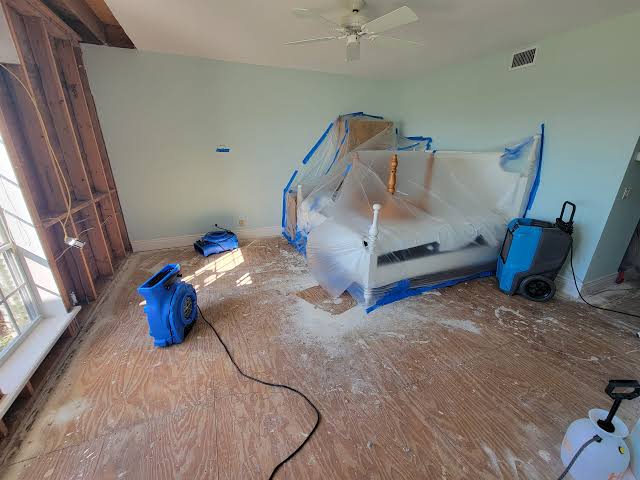
Know when to call a professional water damage restoration service. A licensed water damage restoration contractor handles structural drying, moisture mapping, emergency water removal, and water mitigation—controlling moisture spread before it becomes a mold remediation problem. After widespread flooding, especially involving sewage contamination or water inside walls, professional flood damage restoration is essential. The goal is dry by measurement, not dry to the touch.
Minor dampness in a single room can be DIY-managed with fans and dehumidifiers. Widespread intrusion, visible contamination, or lingering moisture readings call for professional water damage restoration using industrial dehumidification, negative air, and continuous monitoring. The goal is not just “dry to the touch” but dry by measurement to prevent hidden mold and long-term material failure.
Flood Damage Restoration—What the Professional Process Includes:
Many homeowners assume flood cleanup means pumping water out and running fans. A complete flood damage restoration process follows a precise, documented sequence:
Step 1 — Emergency water removal. Industrial pumps and truck-mounted extractors remove standing water within the first 1–2 hours — volumes that household equipment cannot handle. Speed at this stage directly determines how far water penetrates structural materials.
Step 2 — Water mitigation. Moisture is contained and prevented from spreading to unaffected areas using containment barriers, negative air pressure, and immediate dehumidification. Water mitigation is the critical bridge between water removal and full restoration.
Step 3 — Moisture mapping. Certified technicians use thermal imaging cameras and calibrated moisture meters to locate water hidden inside wall cavities, under flooring, and in insulation. Water that is not found at this stage causes mold weeks after the visible cleanup appears complete.
Step 4 — Structural drying. Commercial air movers and dehumidifiers run continuously — typically 3–5 days — until all materials reach verified target moisture levels. Daily moisture logs document the drying trend for your insurance adjuster.
Step 5 — Antimicrobial treatment. Floodwater is category 3 contaminated water. All affected surfaces receive professional sanitisation treatment to eliminate bacteria and prevent mold colonisation.
Step 6 — Documentation for insurance. A professional water damage restoration service provides photo evidence, moisture logs, and a complete itemised scope of work your adjuster needs to process your claim efficiently.
Step 7 — Water damage restoration and repair. Once the structure is fully dry and verified, rebuilding begins — replacement drywall, flooring, insulation, and finishes as required.
Water Mitigation vs. Water Damage Restoration — What Is the Difference?
These two terms are often used interchangeably, but they describe different phases of the flood recovery process — and understanding the difference helps you ask better questions when choosing a water damage restoration contractor.
Water mitigation is the emergency phase—stopping water at its source, extracting standing water, and preventing damage from spreading further. It is reactive and immediate. The goal of mitigation is to limit how much of your home is affected and to stop active deterioration.
Water damage restoration is the complete recovery process—structural drying, antimicrobial treatment, contents recovery, and full rebuilding of damaged materials back to pre-loss condition. Restoration follows mitigation and can take days to weeks depending on the scope of damage.
Flood damage restoration is the specific application of this process after a flood event, which adds the complexity of category 3 contaminated water, sewage exposure, and potential foundation and structural damage that standard pipe-burst water damage typically does not involve.
A full-service water damage restoration service handles both mitigation and restoration under one scope—giving you a single point of contact, a continuous documentation trail, and no gaps between the emergency response and the final rebuild. When interviewing a water damage restoration contractor, always ask whether they manage the full sequence or hand off after mitigation.
Frequently Asked Questions:
Q1: How do I remember the difference between a flood watch and a flood warning?
A: Watch = possible flooding; prepare and monitor. Warning = happening or imminent; act now and move to higher ground or evacuate.
Q2: How to dry out a ceiling after a leak?
A: To dry out a ceiling after a leak, stop the water source first, remove any wet insulation or damaged material, and use fans plus a dehumidifier to speed up drying. Acting quickly helps prevent stains, structural damage, and the need for more extensive water damage restoration later.
Q3: How soon should I start drying my home after a flood?
A: Begin within 24–48 hours to reduce mold growth. Ventilate while cleaning and follow safe disinfecting practices. Call a reputable service for water damage restoration for better results.
Q4: What should you do immediately after a flood in your house?
A: The period right after floodwater recedes is critical—and the actions you take in the first 24 to 48 hours directly determine whether your home recovers cleanly or develops mold, structural damage, and contamination that extends the repair process for weeks. Start by confirming it is safe to re-enter: do not go back inside until local authorities clear the property, and never enter a flooded building with electricity still on. Once inside, assume all floodwater is contaminated—wear waterproof boots, gloves, and an N95 mask as a minimum. Document everything before touching or moving items: take timestamped photos and videos of every room, flooring, baseboard, and damaged content for your insurance claim. Begin water extraction immediately using a wet/dry vacuum or pump, and set up fans and dehumidifiers to start the drying process—mold can begin growing in as little as 24 to 48 hours on wet porous materials like drywall, carpet pad, and insulation. Remove saturated carpet, rugs, and furniture cushions quickly, as these hold moisture and accelerate mold development. Contact your insurance company to report the loss while your documentation is fresh, and if the flooding was widespread or involved sewage contamination, call a certified water damage restoration contractor for professional moisture mapping and structural drying—because “dry to the touch” is not the same as dry by measurement inside walls and subfloors.
Service Areas:
Steamatic’s IICRC-certified water damage restoration teams provide 24/7 emergency restoration services across the United States—including Texas, Florida, the Gulf Coast, Tennessee, Indiana, Kansas, New Mexico, Wisconsin, the Great Lakes region, and beyond. Whether you are responding to a flood warning or dealing with the aftermath of a flash flood, local Steamatic franchises deliver immediate emergency water removal, professional flood damage restoration, and complete water damage restoration service from first response through final rebuild.
Final Thoughts:
Floods move fast — and so should your plan. Treat a flood watch as your preparation window and a flood warning as your cue to act immediately. Keep emergency alerts on, know your high ground, and stage a simple go-bag with medications, documents, and chargers. After water recedes, confirm safety first, document everything before touching anything, begin drying within 24–48 hours, and call certified professionals for emergency restoration services and measured water damage restoration when the scope goes beyond what household equipment can address.
The goal is simple: protect people first, limit loss, and return to normal with confidence. Preparation is not complicated—it is a short checklist practiced before the storm and a clear decision framework executed the moment the alert arrives.
Flood damage in your home right now? Steamatic’s certified water damage restoration teams respond 24/7 — fast emergency water removal stops mold before it starts. Call at (817)332-1575- STEAMATIC immediately Request Emergency Water Damage Restoration →