Why This Question Matters Now:
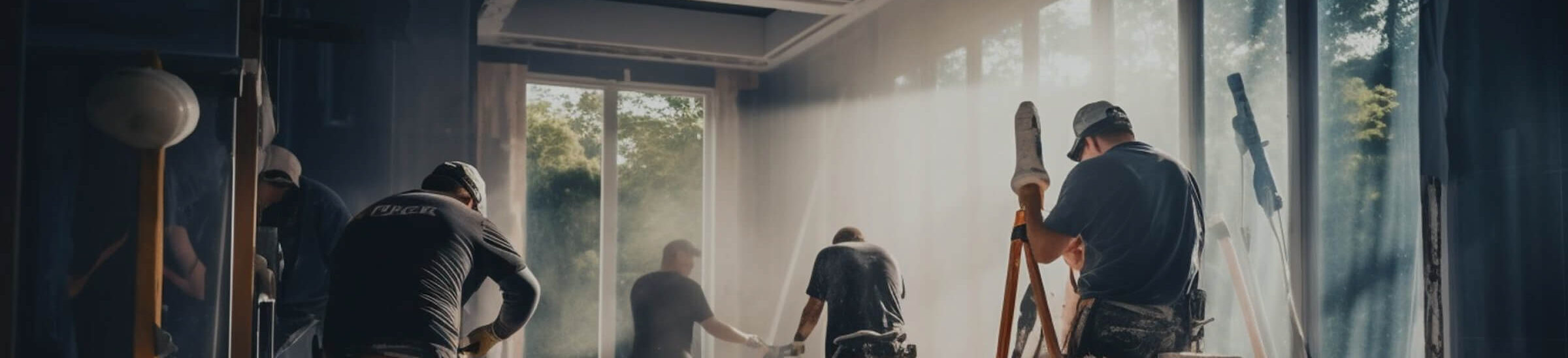
When people think about starting a business, they usually picture something trendy, digital, or simple to scale from a laptop. But the companies that often prove the most durable solve urgent, expensive, real-world problems. That is exactly why more entrepreneurs are taking a serious look at whether now is the right time to own a restoration franchise.
The logic is simple. Homes and buildings still leak, freeze, burn, flood, and grow mold. When that happens, people do not want theory. They want speed, expertise, and results. The restoration category sits where emergency response, property protection, and ongoing maintenance meet. That makes it more grounded than many business models built on changing consumer whims. And brands in this space, including Steamatic franchise systems, are built around service lines such as water, fire, mold, and broader restoration cleaning services.
The Real Demand Behind the Industry:
A restoration business does not depend on a passing fad. It serves problems property owners cannot ignore. According to the Insurance Information Institute, about one in 67 insured homes has a property damage claim caused by water damage or freezing, and the average claim severity for water damage and freezing was $15,400 in the 2019–2023 period. That is a meaningful reminder that property damage is not rare, and it is rarely cheap.
That urgency grows when you look at how quickly a small issue can become a larger one. The EPA advises drying water-damaged areas within 24 to 48 hours to help prevent mold growth. In practical terms, that means response time matters. A small leak on Monday can become a bigger remediation job by Wednesday. For entrepreneurs, that creates a category where customers value professionalism, speed, and trust over bargain pricing alone.
Why the Business Model Has More Depth Than People Assume:
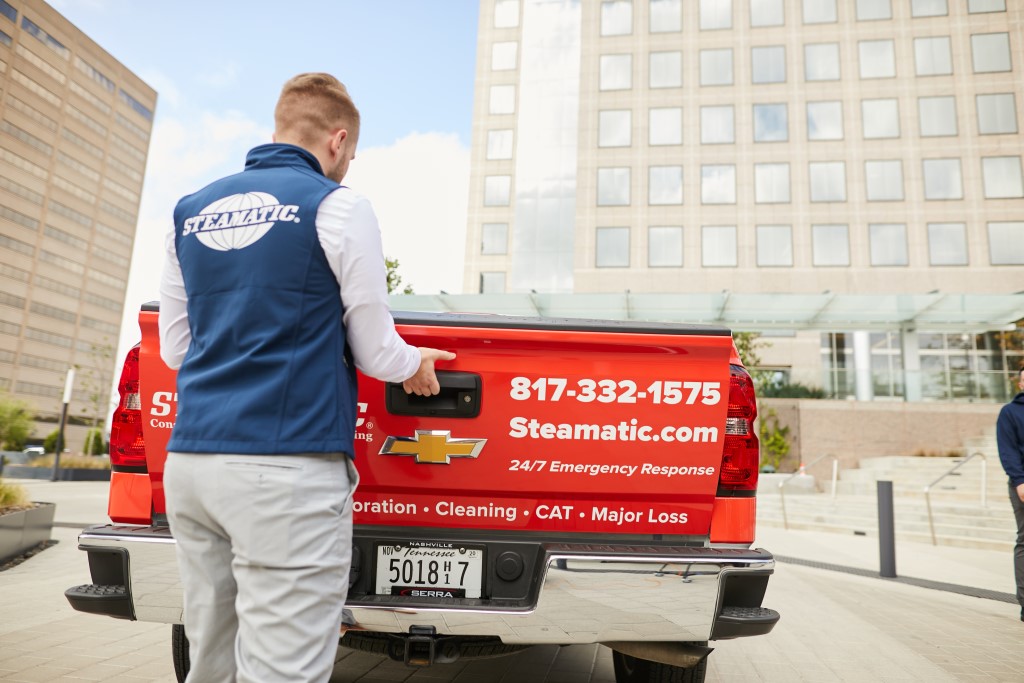
A good restoration business franchise is not just about showing up after a disaster. The stronger models combine emergency work with recurring or complementary services. Steamatic’s public-facing service mix includes water damage restoration, fire restoration, mold remediation, and broader cleaning support, while its franchise materials emphasize restoration plus indoor air quality and cleaning services. That kind of spread matters because it can reduce dependence on one single revenue source.
This is one reason the category often looks attractive to operators who want something more durable than a purely seasonal or trend-driven business. A company that can handle urgent restoration and also serve long-term property care needs stands in a stronger position than one built on a single narrow specialty. In other words, the appeal of a restoration franchise opportunity is not only disaster response. It is also the ability to build around essential property services that customers keep needing year after year.
Authority Matters More Than Ever:
This industry rewards credibility. Property owners are often stressed, insurance-related questions may be involved, and poor work can lead to bigger losses. That is why standards matter. The IICRC is a nonprofit that develops internationally recognized standards and trusted training and certification for the inspection, cleaning, and restoration field. For anyone exploring a restoration franchise opportunity, that should be a green flag to watch for: does the system respect real standards, real training, and real field discipline?
That also explains why the right brand framework can matter. Steamatic’s franchise materials point to more than 50 years in the category, operations in 10+ countries, and a service foundation spanning restoration and indoor air quality. Whether someone chooses that system or another, the bigger lesson is this: experience, process, and operational support are not nice extras in restoration. They are part of the product.
So, Is Now the Perfect Time?:
The honest answer is this: now may be an excellent time to own a restoration franchise, but only for the right kind of owner.
It is a strong fit for people who want a business tied to real demand, local reputation, and operational execution. It is especially compelling for operators who understand that homeowners, landlords, HOA managers, and small commercial property owners care about fast response, clear communication, and dependable results. A quick look at the Steamatic franchise category shows why the space gets attention: it blends emergency work with broader restoration cleaning services, which can create a more balanced service model.
But it is not “perfect” for passive investors expecting effortless growth. Restoration can involve after-hours calls, staffing pressure, equipment needs, and a serious commitment to process. If you want something hands-off, this may feel heavier than expected. If you want a business built around urgency, trust, and practical value, it can be a much smarter bet than flashier models that look easier on paper.
What Smart Buyers Should Evaluate Before Signing:
Before buying into any restoration cleaning company model, focus on the factors that actually shape long-term success:
Training depth and field readiness, not just sales promises
Speed-to-service systems for water, fire, and mold events
Territory quality and local competition
Revenue mix between emergency restoration and other restoration cleaning services
Brand trust, certifications, and operational support
Those basics sound simple, but they are often what separate a strong local operator from an overwhelmed owner. The best systems help franchisees win trust fast, respond well under pressure, and build a reputation that leads to repeat work and referrals.
FAQs:
Q1. Is a restoration franchise a good business for first-time owners?
Yes, it can be, especially if the franchise offers strong training, clear systems, and operational support. In restoration, standards and response processes matter, so first-time owners usually do best with structured guidance.
Q2. Are restoration franchises a good investment right now?
Yes—and the timing has rarely been better. The restoration industry is considered recession-resistant because water, fire, and mold damage happen regardless of the economy. The global restoration services market continues to grow year over year, driven by aging infrastructure, extreme weather events, and increased insurance claims. Owning a restoration franchise like Steamatic gives you an established brand, proven systems, and access to a market with consistent, emergency-driven demand—making it one of the more stable franchise investments available today.
Q3. What makes speed so important in restoration?
Because delays can make damage worse. The EPA says water-damaged materials should be dried within 24 to 48 hours to help prevent mold growth, so quick action is a major part of service quality.
Q4. Is owning a restoration franchise actually profitable compared to starting independently?
Franchise owners benefit from a significant head start over independent operators—brand recognition, supplier relationships, trained processes, and ongoing support dramatically reduce the early-stage risk. In the restoration sector specifically, franchisees can begin generating revenue quickly because emergency services are always in demand. While profitability depends on territory, local demand, and operational efficiency, restoration franchise owners consistently outperform independent startups due to the built-in infrastructure and marketing support that come with the franchise model.
Final Thoughts:
If you are looking for a business with real-world demand, practical relevance, and room to build long-term local trust, now can be a fantastic time to own a restoration franchise. The opportunity is strongest for people ready to operate with discipline, move quickly, and deliver work that property owners genuinely need.